
Designing for creator-led brands: how to turn an audience into customers
How to design a brand and store for a creator-led business: logo, founder story, social content, mobile-first UX and the cart, with HighSteaks as the example.
By Alexander Cillán · · 6 min read
On this page· 9
More and more brands start with an audience instead of a product. A chef, a trainer or an expert builds a following on Instagram or TikTok, then opens a shop. The trust is already there. The hard part is carrying it from a video to a checkout.
I worked on exactly this for HighSteaks, a premium online butcher shop from New York. Its founder, Brandon Alwadish, has more than 150K followers on Instagram and TikTok and is known for his expertise with premium cuts. Here’s what I learned designing his logo and store, and the principles I’d apply to any creator-led brand.
Why creator-led brands are different
A traditional brand has to earn trust from zero. A creator-led brand borrows it from a person. That changes the design job in three ways:
- The founder is the proof. People buy because they trust the person, so the person has to be visible.
- Traffic arrives from social. Visitors land from a video or a link in bio, usually on their phone, in the middle of scrolling.
- Expectations are set before the visit. Followers already know the creator’s tone, look and personality. A store that feels generic breaks that connection at the worst possible moment.
Good design for a creator-led brand keeps that connection unbroken, from the first video to the order confirmation.
Build the identity from the creator’s world
The temptation is to put the creator’s face or name front and center in the logo. It rarely ages well, and it makes the brand hard to grow beyond one person. A better approach is to find an object, a habit or a detail the audience already associates with them.
For HighSteaks, that was Brandon’s knives. The original logo was simple but lacked a unique touch. The refresh combines bold typography with visuals of his favorite knives, so followers recognize it straight away, yet it reads as a butcher’s mark rather than a portrait.
Keep it practical, too. The HighSteaks logo is clean and monochrome, so it works on packaging and on social, at any size. A creator brand lives on profile pictures, thumbnails and boxes as much as on the website, and a one-color mark handles all of them. If you’re planning an identity, here’s what a brand identity includes.
Tell the founder’s story in their own voice
For many shops, the About page is an afterthought. In a creator-led brand it’s one of the most important pages on the site, because it’s where a casual viewer becomes a believer.
On HighSteaks, the About section tells Brandon’s story and ends with his signature, a small detail that makes it feel personal rather than corporate. His photo, enhanced with AI, sits alongside it.
A few things that make a founder story work:
- Write it the way the creator talks on camera, not in marketing language.
- Use a real photo, edited to a high standard but still recognisably them.
- Connect the story to the product. On HighSteaks, the featured cuts follow straight after, each with its farm source, weight and quality grading.
Bring the content into the store
Many creators treat their social channels and their shop as two separate worlds. They shouldn’t be. The content is the reason people came, so it belongs on the site.
HighSteaks has a section with snippets of Brandon’s Instagram and TikTok content, bridging his social presence and the store, next to three short value points: Curated Collection, Save Time and Experience. Visitors from social see someone they recognize. Visitors from search see why so many people follow him.
In practice, this can be as simple as:
- A row of short clips or video thumbnails linking to the full posts.
- Product pages that show the video where the product appears.
- The same visual language, colors and type on the site and in the content.
Design for the thumb first
If your audience comes from social, your store is a mobile store. For HighSteaks we expected more than 90% of traffic to come from mobile, because people arrive in scroll and shop mode: deciding quickly, one-handed, with little patience for zooming or hunting for details.
That changes how you design product cards. Each HighSteaks card shows the product name, farm source, weight and price at a glance, so people can compare cuts without opening every page.
A quick mobile checklist for creator-led stores:
- Key product details on the card, not hidden on the product page.
- Tap targets big enough for a thumb.
- Photography that still reads at small sizes.
- Fast pages, because visitors coming from a video won’t wait.
- Desktop as a richer version of the mobile layout, not the other way round.
Keep people on the page
Every extra page between interest and purchase is a chance to lose someone. That’s especially true for visitors who arrived from a video and could swipe back to the app at any moment.
On HighSteaks, the cart is a drawer. It slides in from the right and dims the page behind it, shows the items alongside recommended products, and closes with a tap. People check their cart without leaving the page they were browsing, and the recommendations give the shop a natural place to suggest another product.
The same principle applies everywhere: quick add buttons, options right on the product card and short checkouts. Remove any step that doesn’t add trust.
Make the brand bigger than one person
A creator-led brand starts with the creator, but it shouldn’t depend on them for every touchpoint. The logo, the packaging and the store need to work when the founder isn’t in the frame.
That’s another reason the HighSteaks mark is built on knives and typography rather than a face. It carries Brandon’s personality, but it can sit on a box, a label or an ad on its own. Premium brands work the same way: restraint, consistency and a product that leads. I go deeper into that in my luxury website design principles.
Where to start
If you’re a creator planning a shop, or a designer working with one, start with these questions:
- What do followers already associate with the creator?
- What’s the founder’s story, and how would they tell it on camera?
- Which pieces of content made people trust them?
- What does a visitor need to see on a phone to decide in seconds?
- How many steps stand between a video and an order?
Answer those and the design brief mostly writes itself. To see how I’ve applied these ideas on other projects, browse my case studies.
Frequently asked questions
What is a creator-led brand?
A business built around a person with an existing audience, such as a chef, trainer or expert on Instagram, TikTok or YouTube. Customers often trust the founder before they know the product, so the design has to carry that trust through to the store.
How do you turn followers into customers?
Make the store feel like the content people already follow: the same person, the same tone and real snippets of the videos. Then make buying easy on a phone, with key details on the product cards and a cart that doesn’t take people away from the page.
Should a creator’s face be in the logo?
Usually not. A face makes the brand hard to grow beyond one person and dates quickly. It’s better to build the logo from something the audience associates with the creator, like Brandon’s knives in the HighSteaks logo.
Why is mobile-first design so important for creator brands?
Because most of their traffic comes from social apps on phones. HighSteaks expected more than 90% of visitors on mobile, so product cards, navigation and the cart were designed for one-handed use first.
What should the About page of a creator-led brand include?
The founder’s story in their own voice, a real photo and a personal touch such as a signature. Then link the story to the product, for example with featured items and the details that prove their quality.
Keep reading
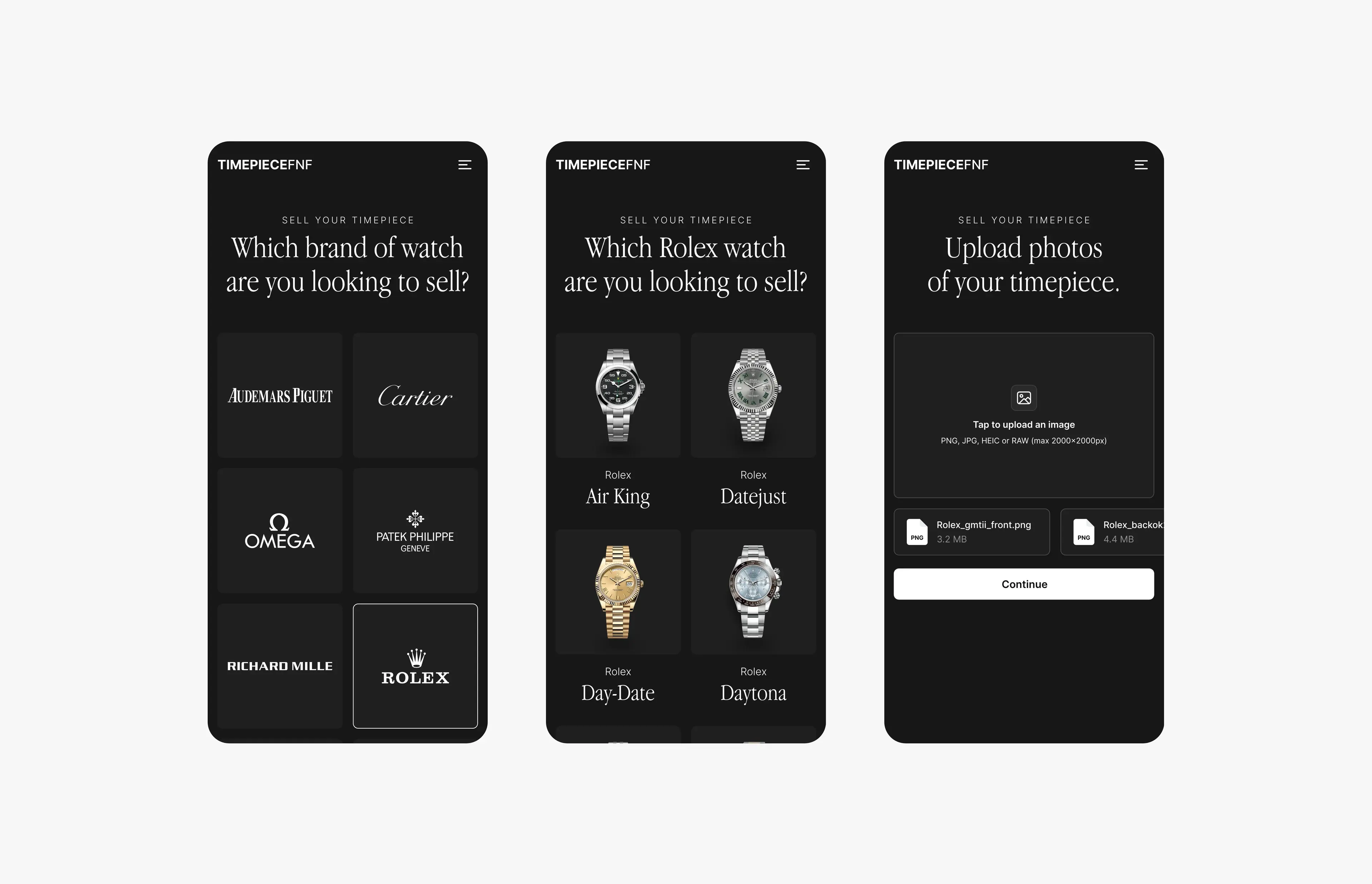
Article · September 8, 2026 · 6 min read
Mobile-first ecommerce design: what changes when most traffic is on a phone
When most shoppers arrive on a phone, the store has to be designed for the thumb first: product cards, cart drawers, layout and speed, with real examples.
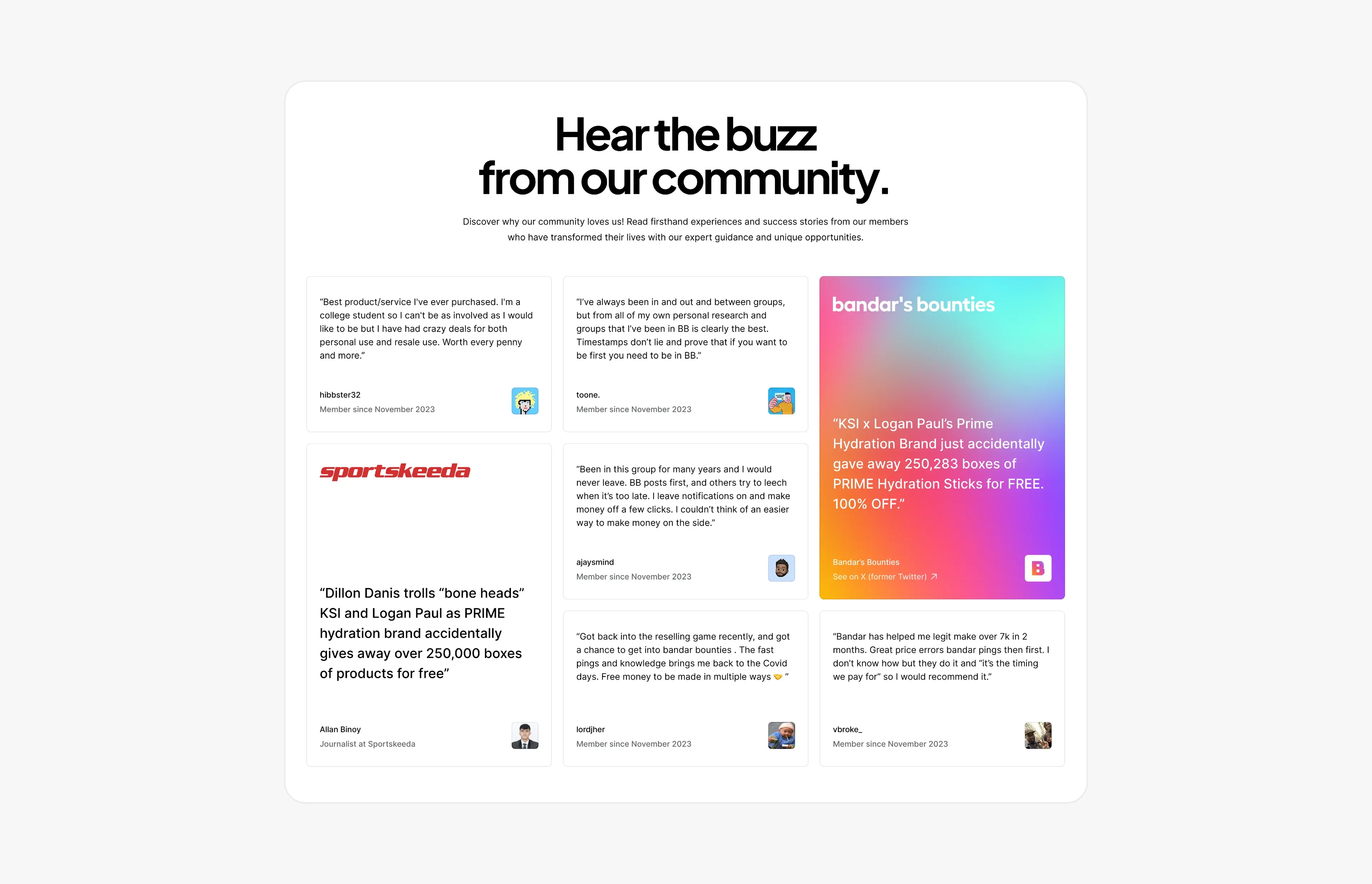
Article · September 9, 2026 · 5 min read
Social proof that converts: designing testimonial and press sections
How to design testimonial, review and press sections that build trust and convert, with real examples from Bandar’s Bounties, Timepiece FNF and Privee Transfer.